A Fair and Just Society

A strong sustainable country is founded on some basic characteristics. Countries like companies must have a vision and decisions must be in line with those visions. In Canada the vision we have for our country is enshrined in the Canadian Charter of Rights and Freedoms. In the United States the Constitution outlines their belief in a society of ‘We the People’.


the-road-to-democracy-e

What Democracy Means to You?

Canadians have often prided themselves in a belief that we are a kinder, gentler society. Recent data as outlined by the OECD, United Nations and the Conference Board of Canada is showing the Canada we think we are, may no longer be the Canada we are.

The self-image of Canada as kinder and gentler is based largely on a narrow Canada–U.S. comparison. Yes, Canada’s social safety net results in lower rates of child and elderly poverty and income inequality, along with higher rates of self-sufficiency of vulnerable populations than in the United States. But many Canadians would be surprised to learn that the U.S. burglary rate and suicide rate are not much higher than those in Canada, and that the gender income gap is the same in the two countries.

Conference Board of Canada

This self-satisfaction is also not justified when Canada’s social performance is compared with its peer countries. Six countries rank above Canada overall, and Canada’s “D” grade on working-age poverty and “C” grades on child poverty and income inequality, are troubling for a wealthy country.

Conference Board of Canada

Conference Board of Canada

  • The child poverty rate increased from 12.8 per cent to 15.1 per cent.
  • The working-age poverty rate rose from 9.4 per cent to 11.1 per cent.
  • The elderly poverty rate increased from 2.9 per cent to 6.7 per cent.


The recent data from OECD and the Conference Board of Canada also indicates how far we have strayed from the foundations we as nations decided we wanted our societies built on. Both our countries are founded on the principles of a democracy. A society based on equality, fairness and justice. A society where individuals are not to be discriminated based on race, religion, or more specifically who they are. Our two countries seem to have fiscal and social policies that are clearly discriminatory based on income.

This is not a debate about what fear mongers try to make it about. This is not about Capitalism versus Communism. This is not a debate about political ideologies. This is about two societies whose current fiscal and social policies are no longer congruent with the visions we created as nations. This is about creating societies based on basic human rights. Societies that understand to be healthy we must ensure all people have a right to the freedoms that should be afforded everyone in any strong democracy. Current fiscal and social policies in both countries are widening the gap not only financially but also in regards to access of health, education and our very political system that should serve as a protection to our basic human rights as outlined in the U.S. Constitution or Canada’s Charter of Rights and Freedoms.

The Conference Board of Canada indicates that child poverty, wage disparity between genders, and more specifically in the United States a Health Care System that is the most expensive and provides fewer services to many citizens than the other 17 peer countries. The United States scored 17th out of 17 and had high infant mortality rates, lower life expectancy than any of the 17 countries analyzed. Yet, in Canada we have many of our leaders talking of more privatization in health care to shorten wait times or a move towards a two tier system of service. Which of course means different service or level of care for those that can afford it? Another policy that would not be congruent on the beliefs our society is founded on.

Our society, like each of us individually, if we want to become healthy, we must undergo lifestyle changes. Our countries must undergo lifestyle changes, if we are to be healthy and sustainable. In Canada rather than worry about how to get our youth to purchase lottery tickets, we need to look at how to get them engaged in our political system. How do we get them to have a voice or feel they are a part of our society?

There is a reform agenda to reduce income disparities that makes sense whatever your attitude towards fairness. It is not about higher taxes and more handouts. Both in rich and emerging economies, it is about attacking cronyism and investing in the young. You could call it a “True Progressivism”.

 Oct 13, 2012 For Richer or Poorer The Economist

If you ever ask for the research to show how current fiscal and social policies will improve the well-being of all citizens in our countries they will be unable to provide it. The research is clear and supported with historical evidence showing societies that create large gaps in equality as well as silence the voices of the majority are destined to decline. We need a society that understands and invests in our countries human capacity. A society needs to provide access to education both for the young as well as job training programs to improve opportunity for full participation of everyone in our society.

The rising inequality since the 1980s in Canada and its peer countries, however, is cause for some concern. The Economist article notes there is evidence that growing levels of income inequality can “translate into growing inequality of opportunity for the next generation and hence declining social mobility. . . . Bigger gaps in opportunity, in turn, mean fewer people with skills and hence slower growth in the future.

Oct 13, 2012 For Richer or Poorer The Economist

We do not need new visions for our countries. Those visions are outlined in the Charter of Rights and Freedoms and The U.S. constitution. What we need is for our citizens to have their voices heard. What we need is to have fiscal and social policies take us towards our vision of a society not away from it. We need to close the gap.


Recommended Reading:

Global Economic Crisis

The Global Economic Crisis The Great Depression of the XXI Century

Michel Chossudovsky and Andrew Gavin Marshall (Editors)

Montreal, Global Research Publishers. Centre for Research on Globalization (CRG), 2010


Posted in My Writings, Political Issues | Tagged , , , , , , , , , , , , , | 1 Comment

Where in the World is Tommy Douglas?

tommy douglas

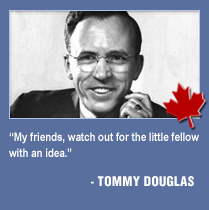
There is a mendacity (untruthfulness) in politics today that demands a return for politicians like one of Canada’s heroes. Tommy Douglas understood the United Nations Gross National Happiness Index (GNH). He understood the wealth of a nation, of a society, can’t be measured purely by economic factors. Tommy Douglas understood the need for a social democracy.  Tommy Douglas understood that healthy people are essential to have a truly great nation. Tommy Douglas was the ‘Father of Medicare’ and Canada’s conscience to remember people mattered.

In our quick fix mind-set of today where news through twitter, social media and sound bites of the hot issues of the day it is difficult to have the kind of discussion about where our country, province and city needs to be, needs to go. The kind of society we need to have. Politicians and business leaders do not want to enter into dialogue about the unfairness and inequalities of current economic policies.

In today’s Great Recession the rich seem much more complacent. They can afford to be. We’re not experiencing a recession for the rich, only a recession for the rest.

OECD: Inequality Rising Faster than Ever

Canadian and American politicians and business leaders want us to believe everyone has an equal opportunity to be successful or as our neighbours to the south say ‘Live the American Dream’. Over the last 25 years the mobility between lower, middle and the wealthiest Americans and Canadians is minimal. The poorest citizens have gotten poorer, the middle class or working class have been hit hard during times of economic crisis while at the same time the top 1% of the wealthy have gotten richer. During the economic crisis and recession of the early to late 2000s it was the working class that lost their pension investments, houses and spiraled into debt searching for that elusive dream. Seniors are working longer as private pensions went belly up. Fewer workers have private pensions are often non-existent, making the likelihood of working longer for most people essential. Bankers and businesses were bailed out or often bought out as the wealthiest financially benefitted from the recession.

Canada did not suffer to the same degree as our southern neighbours mostly because of our regulations that provided a protection for our housing market. There is an untruthfulness to the rhetoric being told ‘we must remove red tape’, we must develop policies that make it easier for business to be successful. Why Social Democracies (based on United Nations Happiness Index) work is it creates a society with a balance of power. A power to create strong and healthy economy as well as create a healthy and educated society. A society that provides regulations to protect us from business leaders and politicians wanting us to be concerned about the day-to-day issues rather than the true economics of what is happening.

Think you live in a country dedicated to fairness and equity? Think again. Recent data on wealth and poverty in Canada is stark and deeply disturbing

Francis Russell, 2010
We need to look no farther than what is happening politically in our city to recognize the untruthfulness to the rhetoric. A removal of the safeguards (red-tape) essential to doing business with our city has led to city contracts that appear to be more concerned with friendships rather than what is good for the people of Winnipeg. A series of mismanaged and over-budget projects that has resulted in a mistrust of politicians and a need to raise taxes. There is an untruthfulness to the idea that having the Private Sector take over Government essential services will provide savings. How can a for-profit business provide as low-cost service as a non-profit?

Tommy_Douglas_medium

A social democracy recognizes what those essential services are? These social services be it health, education, water, road repair, city planning and structural organization must be available and affordable to everyone and don’t fall victim to supply and demand.

So ‘Where in the World is Tommy Douglas’ or the people like him who stand up for a civil society and are the conscious of the government. Where are the newspapers and media providing the truth to the propaganda our politicians who are telling us about what we must do to make things better for big business, will also be better for everyone? The research and certainly the reports from the OECD do not support what we are being told. The evidence of homelessness, seniors working and inequalities can be seen if we dare to look.

Social Democracies may have higher taxes but they also have less crime, less mental health issues, education for everyone (including University), public health care, high life expectancies, and according to the United Nations are happy.

More important, in any capitalist society most people are bound to be part of the middle and working classes; public policy should focus on raising their standard of living, instead of raising their chances of getting rich

The Mobility Myth by James Surowiecki, March 3, 2014

Our current answers to our societal problems can be defined as quick fix at best but are reinforced by the untruthfulness of politics. A strong society, a strong city needs to develop policies that support healthy educated people. A strong society needs to have strong and vibrant communities. A strong society needs a return to the voice of one of Canada’s heroes. We need a voice for the people. We need a Tommy Douglas who brought a morality and honesty to our politics. We need someone to be a conscience to our government and bring truth to the mendacity of politics.

Posted in My Writings, Political Issues | Tagged , , , , , , , , , , , , , , | 11 Comments

Finding Happiness

In life, all actions result in consequences for ourselves and others. When we discover that the smallest action creates this effect, one becomes thoughtful of what we do.

(Mitch, When Eagles Dare to Fly, by James W Hoddinott)

In order to move forward we need to understand our past. Learn from those values and beliefs that have made societies and civilizations survive. We also need to learn from what caused societies to crumble. Without an understanding of our history, the history of humankind, moving forward is like finding your way in a dark cave searching for the light that will help you understand where to go, who you are and where you came from.

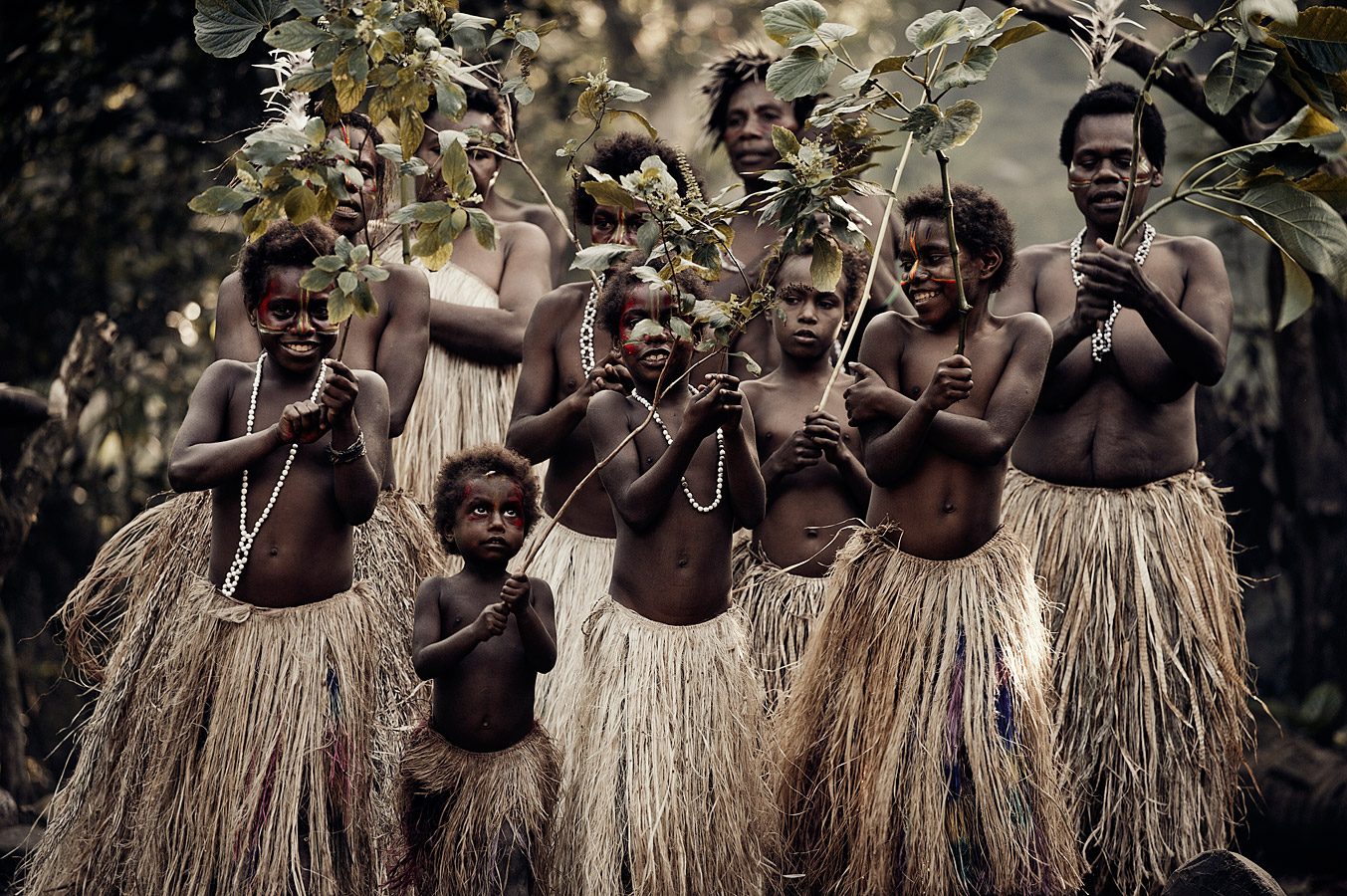
There is a pure beauty in their goals and family ties, their  belief in gods and nature, and their will to do the right thing in order to be taken care of when their time comes.

Jimmy Nelson, Before They Pass Away

Jimmy Nelson, a photographer, has created what many people call an art book, but in reality has captured the civilizations that have survived and flourished in their traditions and customs. Many of us judge the lives of the cultures Jimmy Nelson shares with us through his photography as perhaps backward. It is through an examination of the values of these ancient cultures we may perhaps find the keys to what will help our society move forward, find happiness.

The Tibetans Photograph by:  Jimmy Nelson

The Tibetans
Photograph by:
Jimmy Nelson

Photograph by Jimmy Nelson

Photograph by Jimmy Nelson

History provides clues for all of us if we are willing to pay attention to the lessons we are taught. Prior to the fall of the Roman Empire the examples of greed, lust and politics without principle were the driving force behind a once powerful society. It is not difficult to  examine the issues surrounding Rwanda, the World Wars and current societal issues in the Ukraine and if we apply Gandhi’s Seven Deadly Sins to each of our societies it would be easy to identify some current problems facing humankind both locally and globally.

gandhi seven

The United Nations has identified Gross National Happiness Index as an alternative to ranking the well-being of a society rather than Gross National Product that relies solely on economic factors.

By each of us examining our local communities, cities, countries on a broader measure it will help support the societal and cultural values that have been the foundation of successful societies throughout history.

The concept of GNH has often been explained by its four pillars: good governance, sustainable socio-economic development, cultural preservation, and environmental conservation. Lately the four pillars have been further classified into nine domains in order to create widespread understanding of GNH and to reflect the holistic range of GNH values. The nine domains are: psychological wellbeing, health, education, time use, cultural diversity and resilience, good governance, community vitality, ecological diversity and resilience, and living standards. The domains represents each of the components of wellbeing of the Bhutanese people, and the term wellbeing here refers to fulfilling conditions of a “good life” as per the values and principles laid down by the concept of Gross National Happiness.

United Nations

North American society by all reports is experiencing an increase in mental health issues. If we use GNH as a benchmark we would be able to identify this as a symptom that something in our society is not working. If we further examine Gandhi’s Seven Deadly Sins can you identify examples of society’s focus on independence, self-indulgence and drive towards physical beauty as being the most important part of who we are that may be contributing negatively to the mental health of people.

I by no means am suggesting a return to the civilizations depicted in Jimmy Nelson’s magnificent photography but rather an examination of their culture, values and sense of community that have helped those societies survive when others have failed. I am suggesting we examine the factors that contributed to the fall of other civilizations and let those examples help us understand the frailties of our current societies for our long-term sustainability.

I am suggesting we begin to look at our society’s well-being from a broader scale such as Gross National Happiness Index so we can develop long-term sustainability and happiness for our families and communities. I am suggesting we start to measure and understand healthy communities and healthy people who will provide the foundation for a better and more sustainable planet. We need to understand Economic Development is only one of the four pillars of GNH.

We need to look at creating Good Governance, Sustainable Socio-Economic Development, Cultural Preservation and Environmental Conservation. Canada has typically scored well on this index but it is falling. We need to ask ourselves why? We need to understand if what we define as progress will create a society that is happy,

Posted in My Writings, Political Issues, Travel?Photography | Tagged , , , , , , , , , , | Leave a comment

Gold Medal Mayor

Gold Medal Mayor

Gold Medal Mayor

It doesn’t matter if you are trying to win a Gold Medal at the Olympics, build a successful business, or be the Mayor of a city, what is required in order to be successful is the same. If you listen to the interviews of our Olympic Athletes, coaches and the organizers in order for our teams to be successful it requires commitment, dedication, a vision (goal), support and especially in curling and hockey, teamwork. It would come as no surprise to anyone that if our current Municipal Government was at the Olympics the City of Winnipeg would not be standing on the podium accepting a medal. If we were the host city there is no guarantee the Olympic Venues would be built on land we own. The key components however, to developing a podium finish are missing from City Hall, our current counselors and the leadership of our Mayor and the Executive Policy Committee.

Our current municipal government is moving from one scandal to another. The Ernst & Young Fire Hall Audit has served to expose an organization that just isn’t working. Mayor Katz made a decision to ‘Cut the Red Tape’ at city hall. It sounds good, but in reality it is those checks and balances that have been identified as missing in the most recent audit. The Mayor’s so-called ‘Red Tape’ would have identified the issue of building a fire hall on land we didn’t own. The ‘Red Tape’ would have required tendering processes as well. Other suspected issues may be related to the conflicts and difficulties that may be associated with  hiring a business partner (ex-business partner), close business associate, friend who apparently, based on the audit, played a key role in the entire Fire Hall fiasco.

Based on the Mayor’s responses to questions asked about Police Headquarters and the Fire Hall his answers seem to indicate he was unaware, even surprised, by what occurred? When we examine the 10 essential characteristics of a successful leader by David G Javitch  it is easy to come to the conclusion that our Mayor has not built a strong team, does not appear to have a vision, is not instilling confidence in the voters or other city counsellors and his answers indicate he  is currently lacking the hard work and commitment necessary to lead Winnipeg through these difficult times or may not have the leadership skills required to do the job.

A ‘Successful Sports Team’ can be built for the short-term but successful organizations in sports, business or government need to have the appropriate mechanisms and structures in place in order to sustain themselves over the long-term. The gradual deterioration of the structures of government used to serve as checks and balances to safeguard public money and our system of democracy over the last number of years has made Winnipeg vulnerable to the debacles we have seen with our major city projects. On one hand our Mayor speaks of our need to develop infrastructure and freeze taxes but on the other hand has city projects that are grossly over-budget and the city continues to approve developments contributing to Winnipeg’s Urban Sprawl problem  which puts our infrastructure deficit more at risk as well as taxes are already stretched city services.

What is required to create a gold medal city? We need a clear articulated vision (a goal), we need teamwork (people working towards the same thing), we need the best people working for us and with us, we need our Mayor to hold everyone accountable (including himself) for the mistakes made. He needs to listen and act on the recommendations of the audit. He needs to ask for a police investigation into what happened with the Fire Halls and Police
Headquarters.

We need as voters to demand accountability of all the individuals at City Hall including our counsellors. We need to ask for the records as to which developers have received city contracts in the last 10 years and were there tendering processes with these contracts. We then need to ask is the pattern of who gets contracts different under this administration than the previous one. We need to know the criteria required when hiring our top City Administrators and Planners. We need to know what land is being purchased by Centre Venture and for what purpose? We need transparency and accountability. We need a long-term plan. We need a change.

As the citizens of Winnipeg we need to find the same passion for the City of Winnipeg that we have for our Olympic Gold winning teams and our sports teams. We need to hold our civic leaders to the same standards we hold our sports teams, players and coaches to. We need to have our Mayor on a call-in show so we can ask him the tough questions like we ask our coaches and players.

If we want a Gold Medal City, a Gold Medal Government a Gold Medal Mayor we need to all work towards developing the commitment, dedication, work ethic and team work required to create a winning team, a winning city.

Posted in Political Issues | Tagged , , , , , , , , , , | Leave a comment

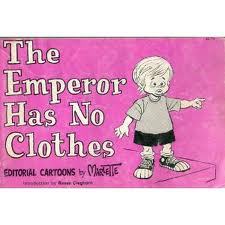
‘The Emperor has No Clothes’

Emperor

“I thought it would be unfortunate to go that (expropriation) route because it’s going to be a heavy expense,” Katz said, adding the administration says it’s been unable to resolve the issue with Shindico.

Winnipeg Free Press print edition February 20

Winnipeg’s Mayor has indicated it would be ‘unfortunate’ if we went the route of expropriating the land from Shindico. What is happening at City Hall is ‘unfortunate’. If we simply take a look at the one aspect of the Fire Hall fiasco of building a ‘Fire Hall’ on land the city doesn’t own…that is unfortunate to say the least. Who really builds on land they don’t own, beside our city I guess. The Fire Hall is built and now we have to buy the land the ‘Fire Hall’ is built on from the company who built the Fire Hall. That is unfortunate. Now the same developer who built the ‘Fire Hall’ on land they own, also want to be compensated for the loss of value of the land adjacent to the Fire Hall which they also own.

The evidence related to the Fire Hall, Police Headquarters, the ‘Pumphouse’, and ‘The Mere Hotel’ to name a few recent projects point to a system that is broken. Preferential treatment, no tendering process, changing of by-laws, lack of transparency and a lack of a clear plan and vision for the City of Winnipeg. Individuals who stand up and try to point out the clear lack of process and accountability of these projects are often painted as against development or called a NIMBY (Not in My Back Yard). Perhaps it is time we all become a NIMBY and not allow these types of decisions and lack of process and vision  happen in our backyard. We all need to stand-up and say ‘Not in My Back Yard’!!

City council has approved a plan to add new conflict of interest rules for department heads and the city’s four statutory officers. A conflict of interest refers to a situation where a person’s public decisions are improperly influenced by his private affiliations or interests. The ‘Conflict of Interest’ policy needs to also include or be applied to our political leaders as well. Traditionally a political leader would need to appoint someone independent to run their business affairs where they take on the role of a civic leader. After all the Mayor and councilors primary responsibility is to make decisions in the best interests of the City of Winnipeg and when the voters perceive favoritism is given to former or current business partners the confidence in our Municipal Government is affected. The Audit of the Fire Hall clearly brings into question how decisions are made.

The report indicates the contracts to build four new fire stations did not face a competitive bid process.

The openness, fairness and transparency of the procurement process used to contract for the construction of the four stations is in question. For the two attempted (requests for proposal’s) Shindico had information not available to other bidders,”
CTV Winnipeg
Published Monday, October 21, 2013

Looking a little deeper into the audit it also indicates:  The audit said Sheegl approved the most controversial part of the project – a land swap deal that saw a new station built on land on Taylor Avenue owned by Shindico, and not the city. (CTV Winnipeg
Published Monday, October 21, 2013)

This is the same Sheegl, Phil Sheegl, who just a few days ago returned to Winnipeg from Phoenix on the same flight as our Mayor. Clearly as the Mayor indicates this does not indicate there was any ‘conflict of interest’ but it certainly once again taints the perceptions of voters.
At the time of the audit our Mayor indicated he didn’t have any clear answer to how this happened. “I would never ever dream we would build a fire hall on land we did not own,” said Katz. (CTV Winnipeg Published Monday, October 21, 2013) No doubt as he stated it is unfortunate we now are in position to buy land on a site we have built a ‘Fire Hall’ and we have an audit that puts in to question the entire process. Unfortunate is perhaps an understatement.
Those of us in Winnipeg who have been paying attention to all the apparent mismanagement at City Hall are left to wonder how much longer we are going to continue to ignore those telling us ‘The Emperor has No Clothes.’
.

Posted in My Writings, Political Issues | Tagged , , , , , , , , , , , , , , , | 1 Comment

It’s a Small World

Cancun on a Winter's Day

Cancun on a Winter’s Day

It is never more evident about how small our world is as when you travel. It is one of those beautiful opportunities to leave one climate and go to another. Leaving home in the morning on a stormy winter’s day when the temperature is minus 30 degrees Celsius to having lunch on a sandy beach next to the ocean in some ways boggles the mind but at the same time soothes the senses.

The Cold of Winnipeg

The Cold of Winnipeg

Just over a four-hour flight and you leave the snow of Winnipeg and enjoy the warmth and beaches of Cancun.

The water and sand of Cancun

The water and sand of Cancun

Pool side by the beach

Pool side by the beach

Cancun Moon just prior to Sunset

Cancun Moon just prior to Sunset

Posted in Travel?Photography | Tagged , , , , , , | 3 Comments

City Hall takes Responsibility?: Not Me

City Hall Gives Answers

City Hall Gives Answers

Contractors openly joke they can take on a city project at cost and still make a hefty profit with “change orders” and other upgrades made by the city after contracts have been awarded. Why can’t the specifications be examined and firmed up before going out to tender? Who is held accountable for all the changes made after contracts are awarded? The answer is… nobody.

Mike O’ShaughnessyPosted: 10/23/2013 1:00 AM

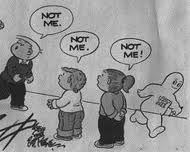
In our search for answers in to what is happening with our money at City Hall it doesn’t seem to matter what questions we ask when it comes to who is responsible and who will be accountable for the mess our current Municipal Government is in. The answer remains the same ‘Not Me!’ Unless major changes are made to how we operate and go about our business Winnipeg will continue to see project cost overruns, questionable if any tendering processes, limited access to information to a fair and equitable process allowing all developers the same opportunities to access city projects.

“You definitely need a cultural change at city hall,” said Colin Craig, Prairie director of the Canadian Taxpayers Federation.

Bureaucrats slammed for fire hall fiasco by Aldo Santin

THE Ernst & Young audit of the city’s fire-paramedic station construction project lays blame on just about every aspect of the project from beginning to end. Many Winnipeggers feel the Ernst & Young Audit should just be the start. The Audit raises more questions in regards to the involvement or lack of involvement of the Mayor, the EPC and all councillors. When asked about the report City Administrators evaluation  is “It’s important to know that right through the whole process, the administration, through due process and best intentions and also following policies and procedures we interpret on an ongoing basis, were following best practices of the city,” Ruta said, adding it will take time to implement all of the recommendations from the audit. (Bureaucrats slammed for Fire Hall Fiasco, 01/23/2014). In simple terms: Not Me!!

We all are aware it is all to common to have to many decisions being made behind closed doors.  Behind closed door decisions may happen with private companies or major corporations but this is our money and our lives that are being affected by decisions of City Hall. Governments must be held to a higher standard!!

Where Decisions are Made?

Where Decisions are Made?

A new Christmas tradition – Firehall Fairy Tales by Shindico, Monday, December 09, 2013

Councillor livid firm gets $10M despite errors, Winnipeg free Press, By: Bartley Kives, 09/10/2009

There seems to be a culture with city run projects where it gets awarded before councillors, the press and the people of Winnipeg are even aware what is happening. In a recent study by the Frontier Centre for Public Policy Winnipeg ranked low in transparency. Mayor Katz however is on record as stating…“there is no level of government more open, honest and transparent than this government right here…. (Mandating transparency … or killing P3s?, June 12, 2012). It is clear Mayor Katz’s definition of transparency and accountability is different the Frontier Centre for Public Policy and many if not most people of Winnipeg.

Transparency of Information

Transparency of Information

Despite the Audit and the upcoming Police Headquarters Audit it doesn’t appear we will get anymore answers other than ‘Not Me!!’ Clearly in the upcoming election we have the right to elect a new Mayor and a new batch of city councillors but will that bring about the changes required. The entire system needs to be changed from how tenders are done, how consulting firms are selected and the day-to-day operations of the city. Our councillors need to be held more accountable for what is happening in each of the departments. Council Meetings need to be less political and more about the betterment of our city. Our city needs a leader who holds people accountable and expects and acts with integrity.

We need our questions answered.

We need the police to investigate the questions we are left with as a result of the Fire Hall Audit and the upcoming Police Headquarters Audit.

Posted in Political Issues | Tagged , , , , , , , , , , , , , , , | 3 Comments

Then to Now: Summer to Winter

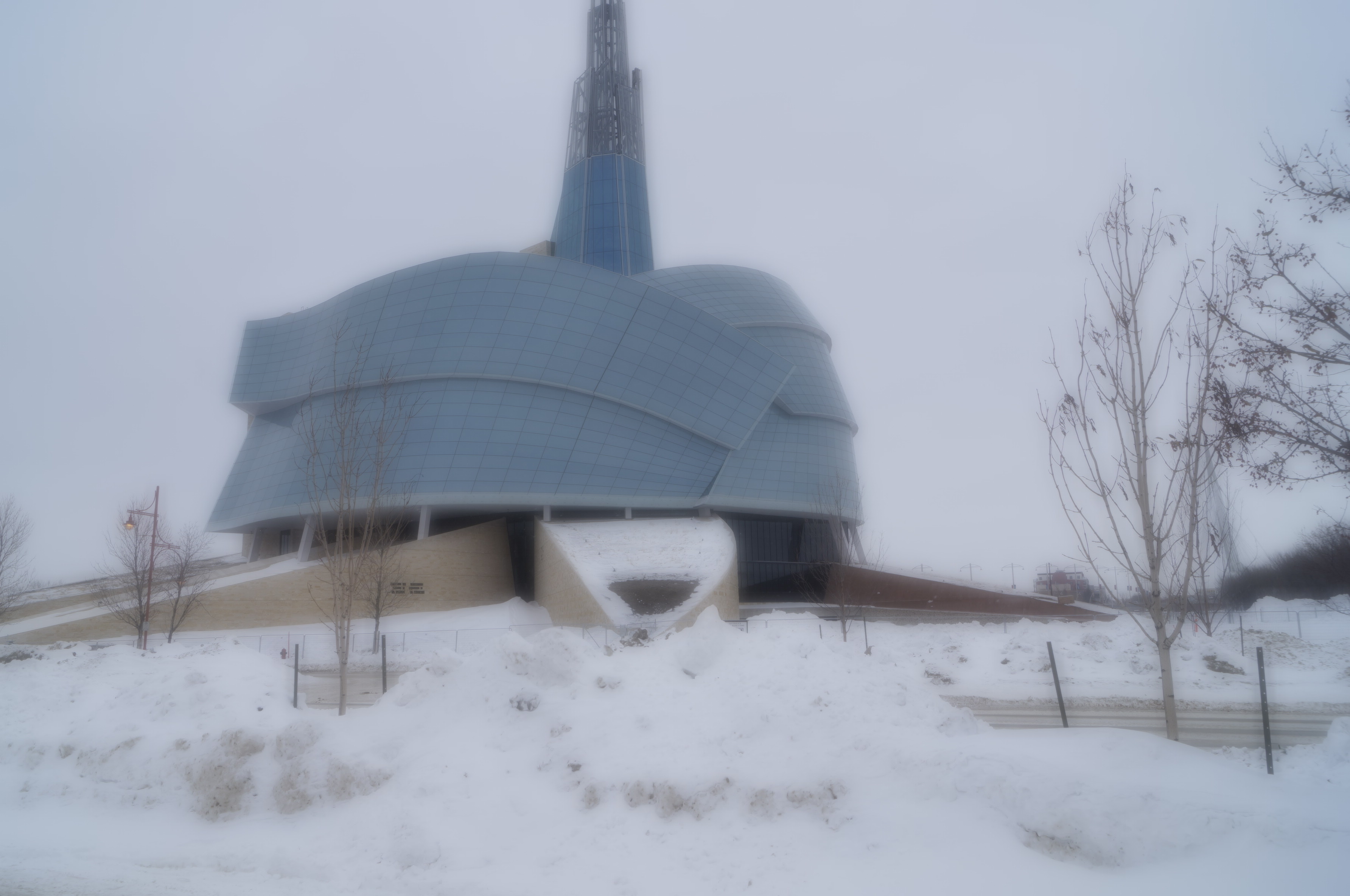
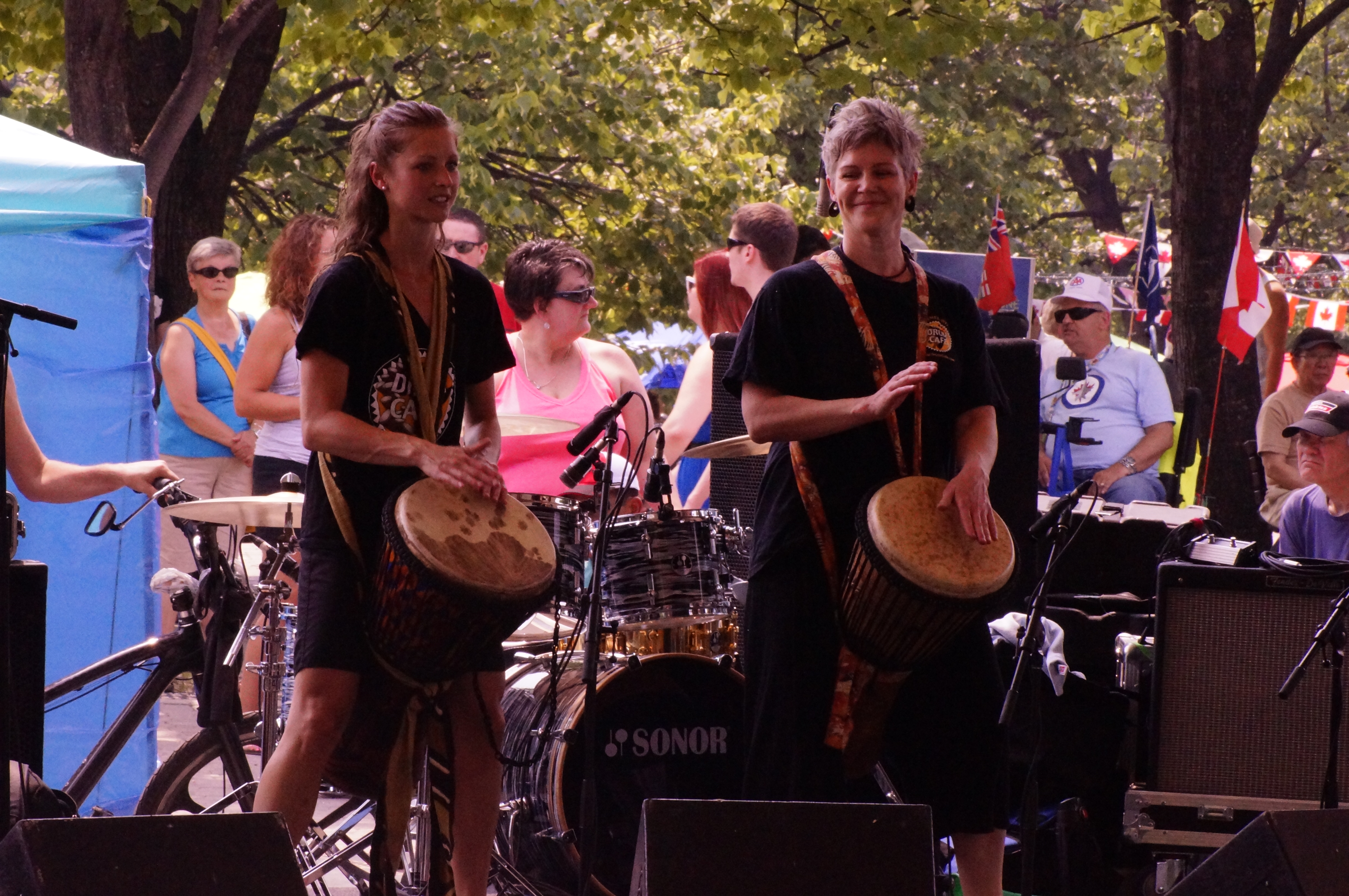
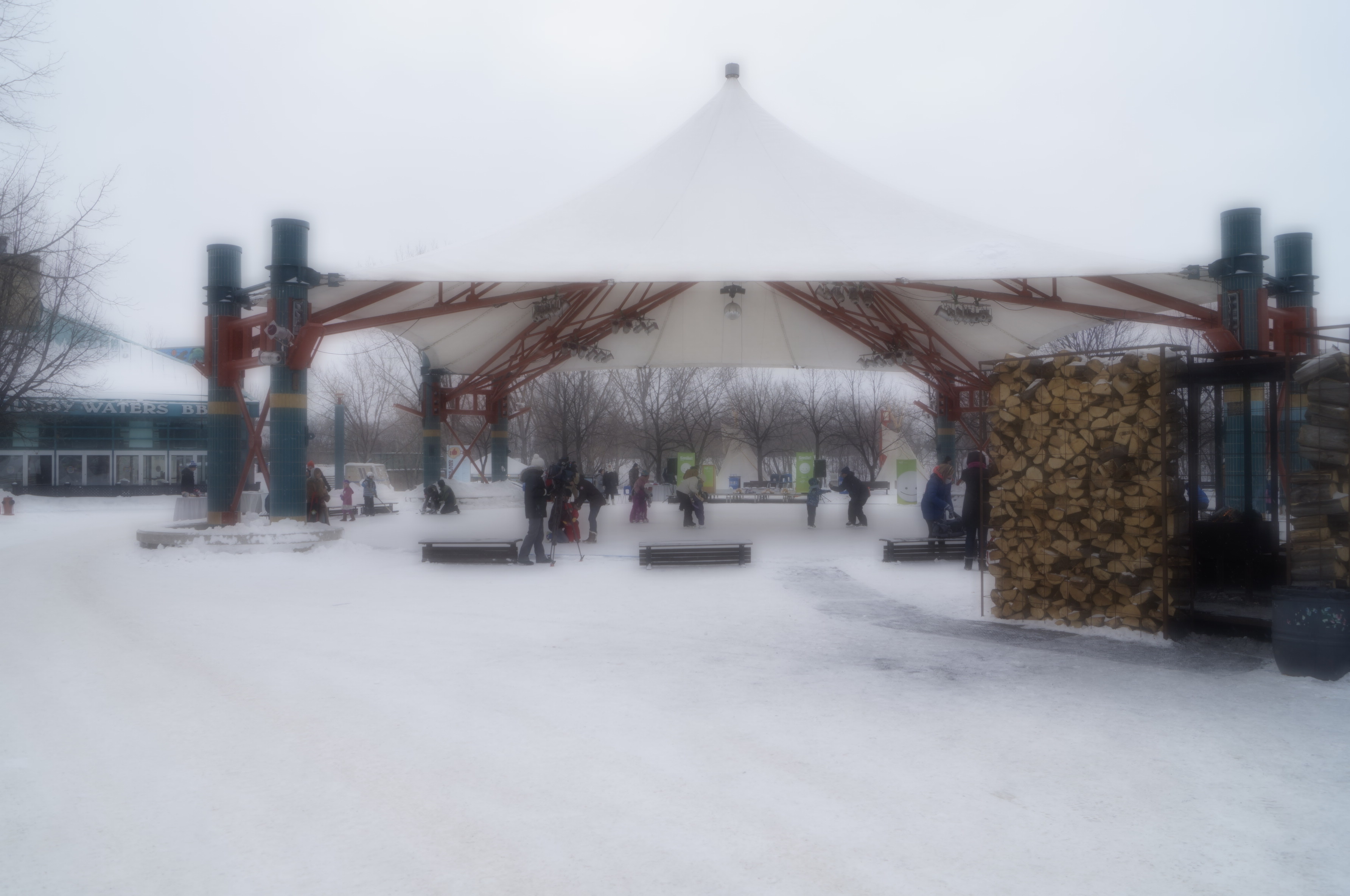
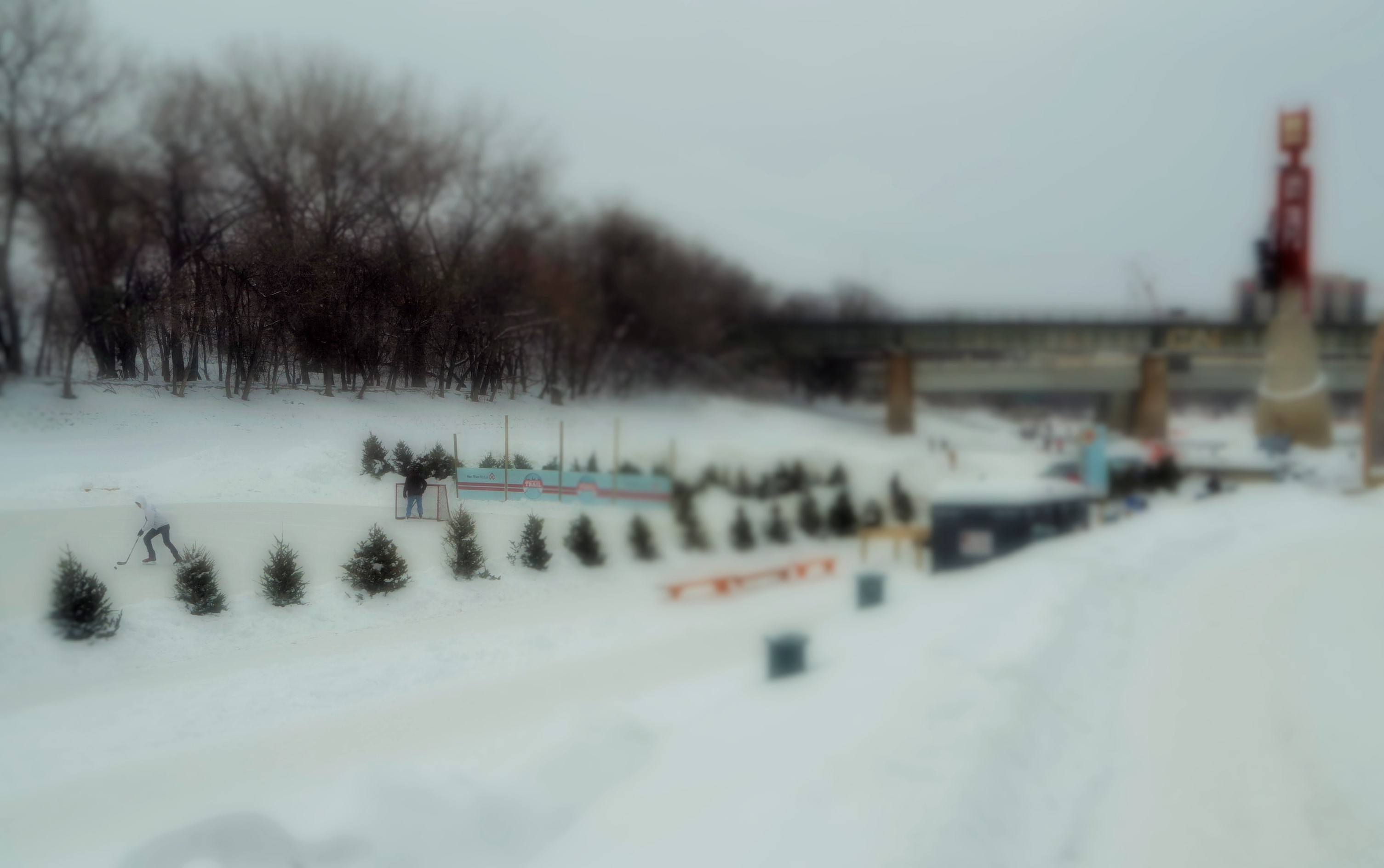
On July 1st Canada Day I spent sometime at Winnipeg’s meeting place ‘The Forks’. Those of you that don’t live in a place that goes from extreme heat to extreme cold can get a sense of summer and winter in the ‘Peg’ through some photographs of THEN being summer and NOW being winter. It was over 30 degrees Celsius on July 1st and during the months of December and January we have had the coldest two months since 1949 as most days we had a wind-chill of -30 degrees Celsius.

Human Rights Museum July 1st 2013

Human Rights Museum July 1st 2013

Human Rights Museum February 2, 2014

Human Rights Museum
February 2, 2014

Performers July 1st

Performers July 1st

Skating  February 2nd

Skating
February 2nd

Waiting for a Water Taxi July 1st

Waiting for a Water Taxi July 1st

Waiting for a Toboggan  February 2nd

Waiting for a Toboggan
February 2nd

The Patio and a Beer  July 1st

The Patio and a Beer
July 1st

The  Warmth of a Tepee

The Warmth of a Tepee

Scrabble

Scrabble

Hockey

Hockey

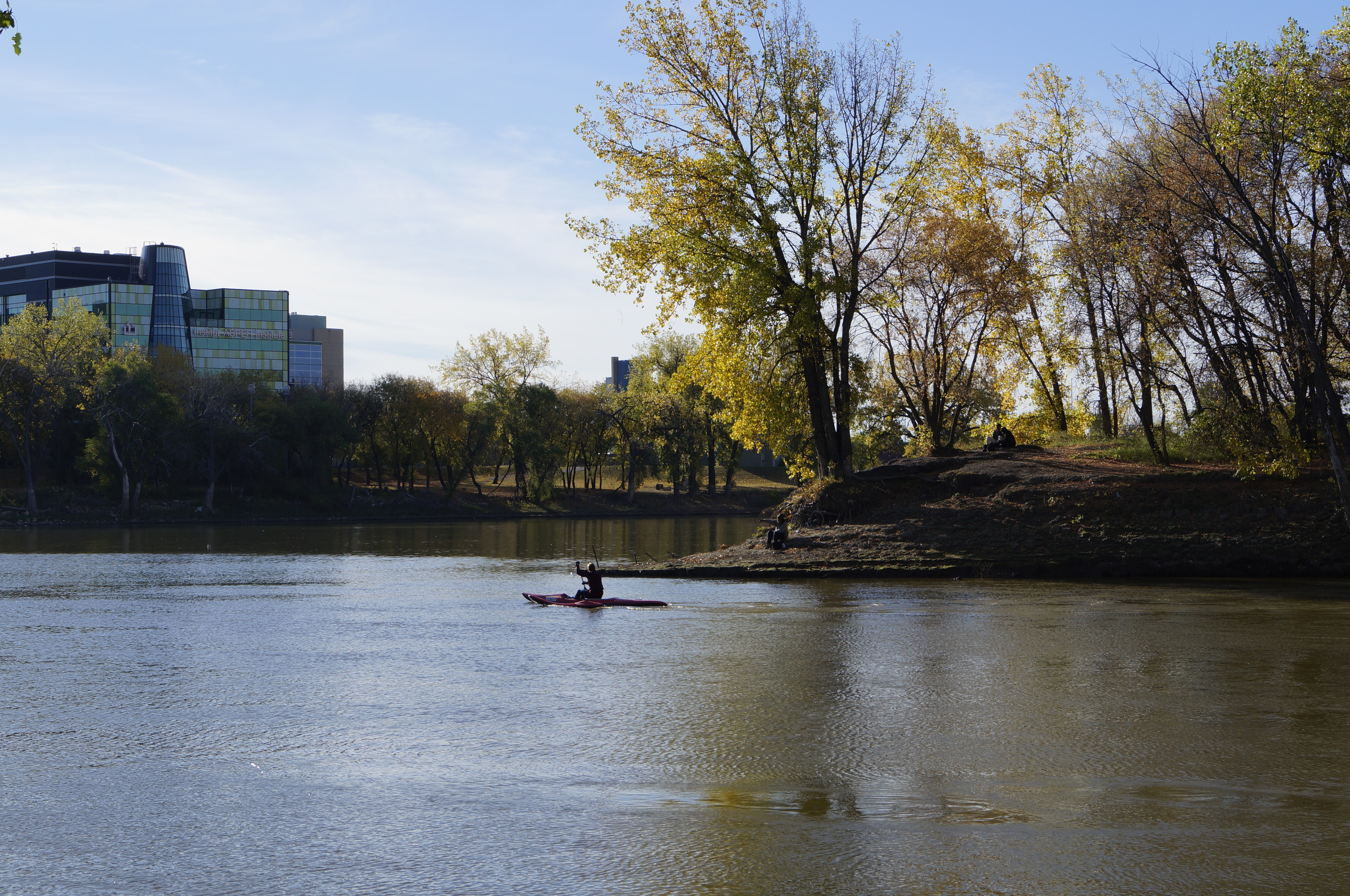
Canoeing on a July Day

Canoeing on a July Day

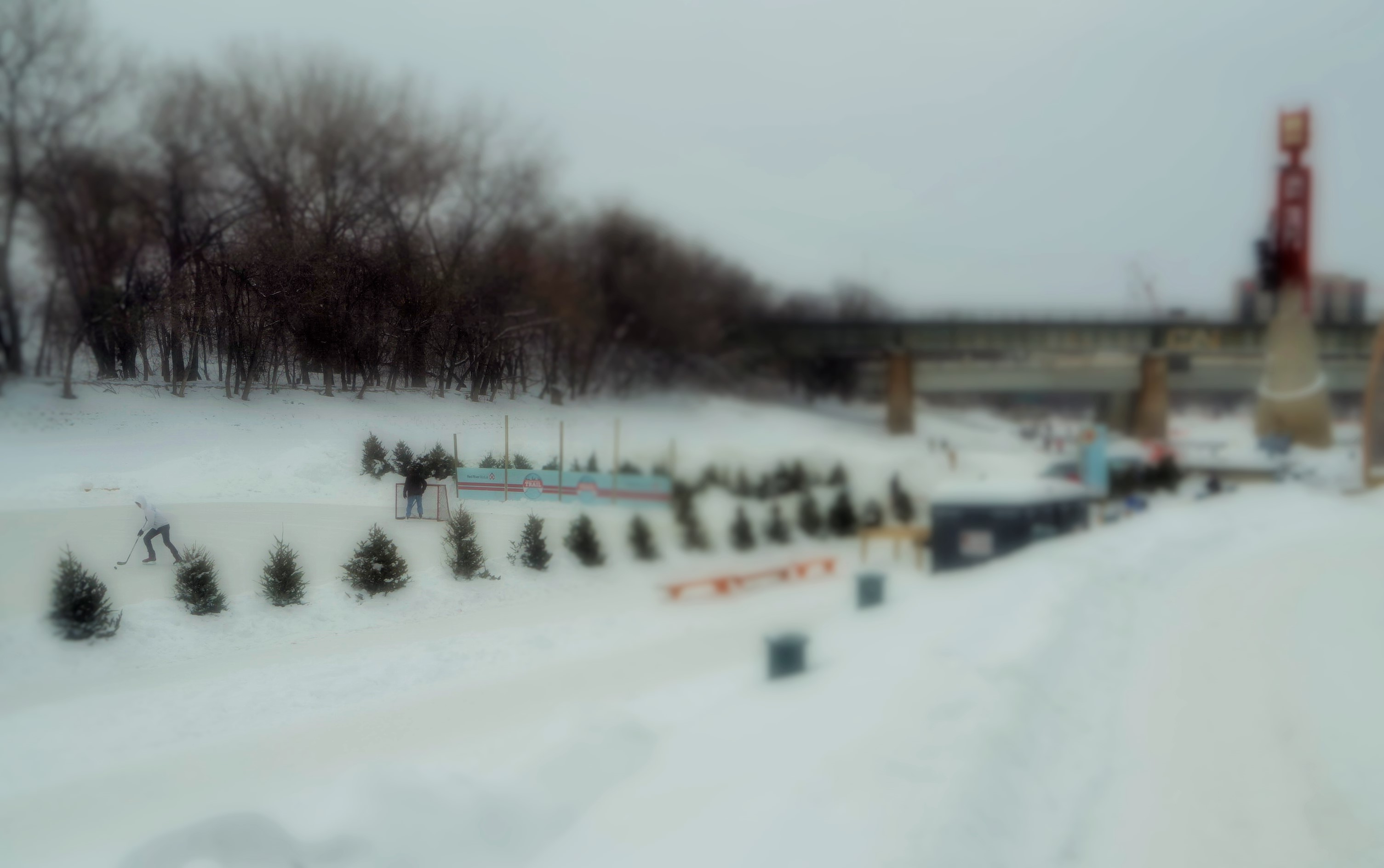
Skating and Hockey

Skating and Hockey

Reflection of Days Gone By

Reflection of Days Gone By

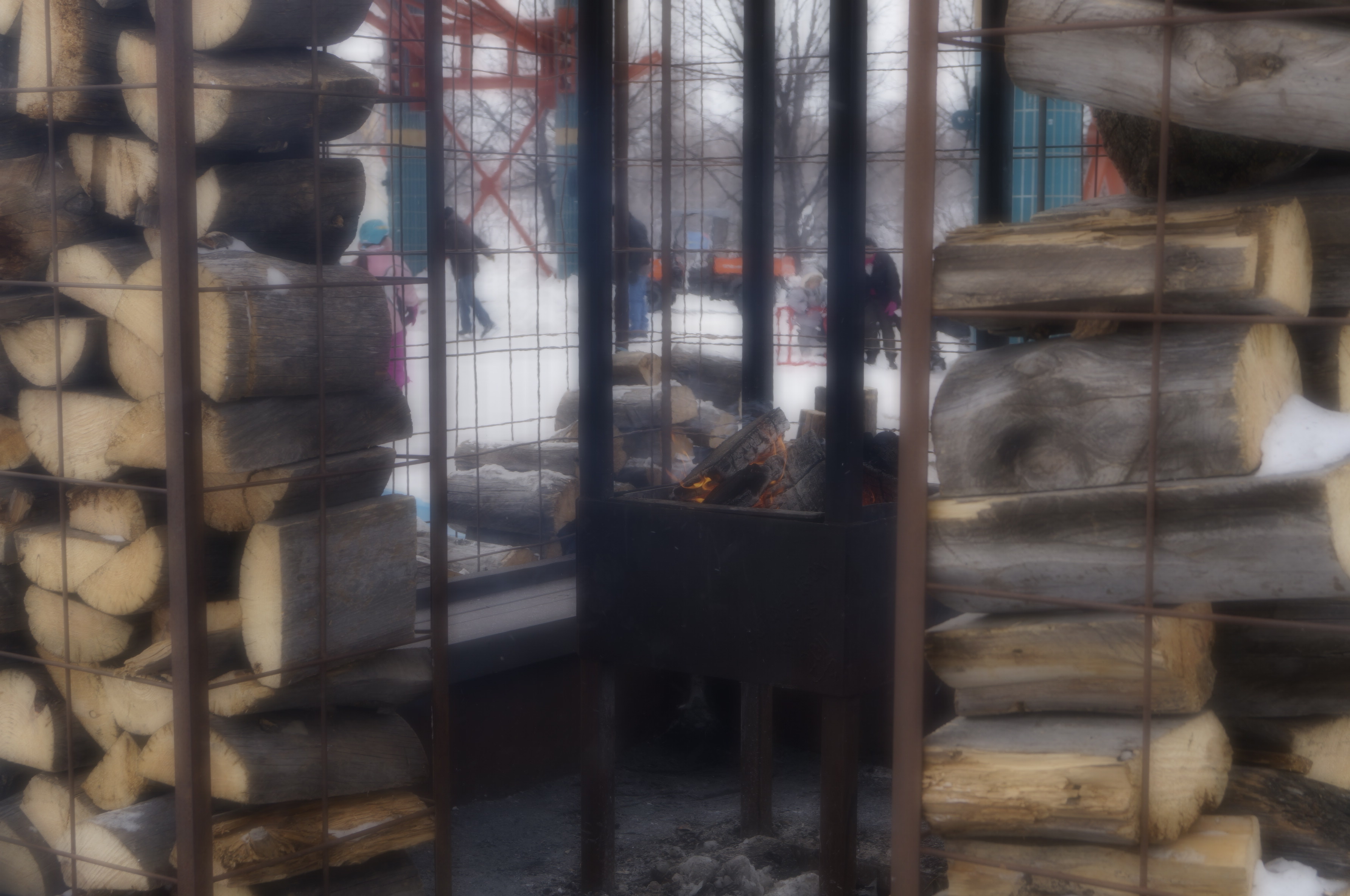
Staying Warm by the Fire

Staying Warm by the Fire

Posted in Travel?Photography | Tagged , , , , , , , | 1 Comment

Fad or Foundation?


Is this a Fad or a Foundation to great teaching and learning for students? Many effective teaching strategies or innovations have occurred from a belief there is a magic strategy that works for every student. Those of you that are parents understand that you can have two children raised by the same people, in the same environment but learn differently and create different challenges as you try to help each of them reach their potential. Most fads in education are a result of us taking a strategy that works for some students and applying it to every student. As much as we would like to think there is a magic bullet that if we do this one strategy, use this one kit every student will be successful, it just doesn’t work that way.

It is the students that have made me think deepest or as some may say my most difficult students that have taught me the most about teaching. They have challenged me as an educator to find a different approach in order to help a student learn.

To the man who only has a hammer, everything he encounters begins to look like a nail.
Abraham Maslow

In order to be an effective educator we need to have a tool box full of strategies in order to help us meet the unique needs of every child in our classroom and in a broader sense school. In my time as a Resource and Special Educator it was through working with students with special needs I began to understand how different each child is. It is where I also started to understand some very basic strategies that all students need.

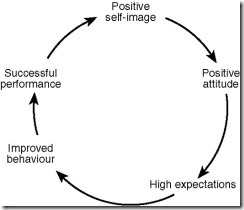
The basic strategies range from common structures and routines, to creating a safe and caring environment, communication between home and school to the establishment of high expectations and accountability. Be it in a classroom, in our home or in our society we get what we expect and we will continue to get what we expect if we don’t hold students and people responsible for their learning and behaviour.


high-expectations_thumb


High Expectations may look different for each student academically but the foundational pieces about respect for self and others are essential. It may look slightly different and the types of supports required will vary in intensity but being kind to oneself and to others is an expectation for everyone. Creating a classroom, school, community and society founded on developing and modeling integrity, honesty, hard work, helping others and kindness needs to be the foundation for everything we do.

Perhaps the hardest part of being a teacher, a parent, an adult is recognizing our inherent responsibility to be positive role models for our children. We must ask ourselves if the high expectations we want for our children/students are the same expectations we have for ourselves, our friends, our politicians and just as importantly our celebrities. The toughest part is always taking the step to address problems when they occur.

Many people will say the first step to recovery or growth is admitting there is a problem or need for a change. This may be semantics but for me when I have worked with students the problem is often they don’t even know what they are doing is wrong. Perhaps the first step is helping people understand what the expectation is and then supporting the person as they change to meet the expectation.

There are many fads in education but some of the so-called fads are just a different approach to teaching that worked for some students and may work with others. There is no one solution that works for everyone. No silver bullet. There are however some foundations that will increase the chances of helping a student/child achieve success. In the big picture these same high expectations we place on our children if we place those on ourselves and others we will have a successful society as well.

Posted in Education | Tagged , , , , | 1 Comment

The Waterfront: Sometimes we get it right and sometimes we …

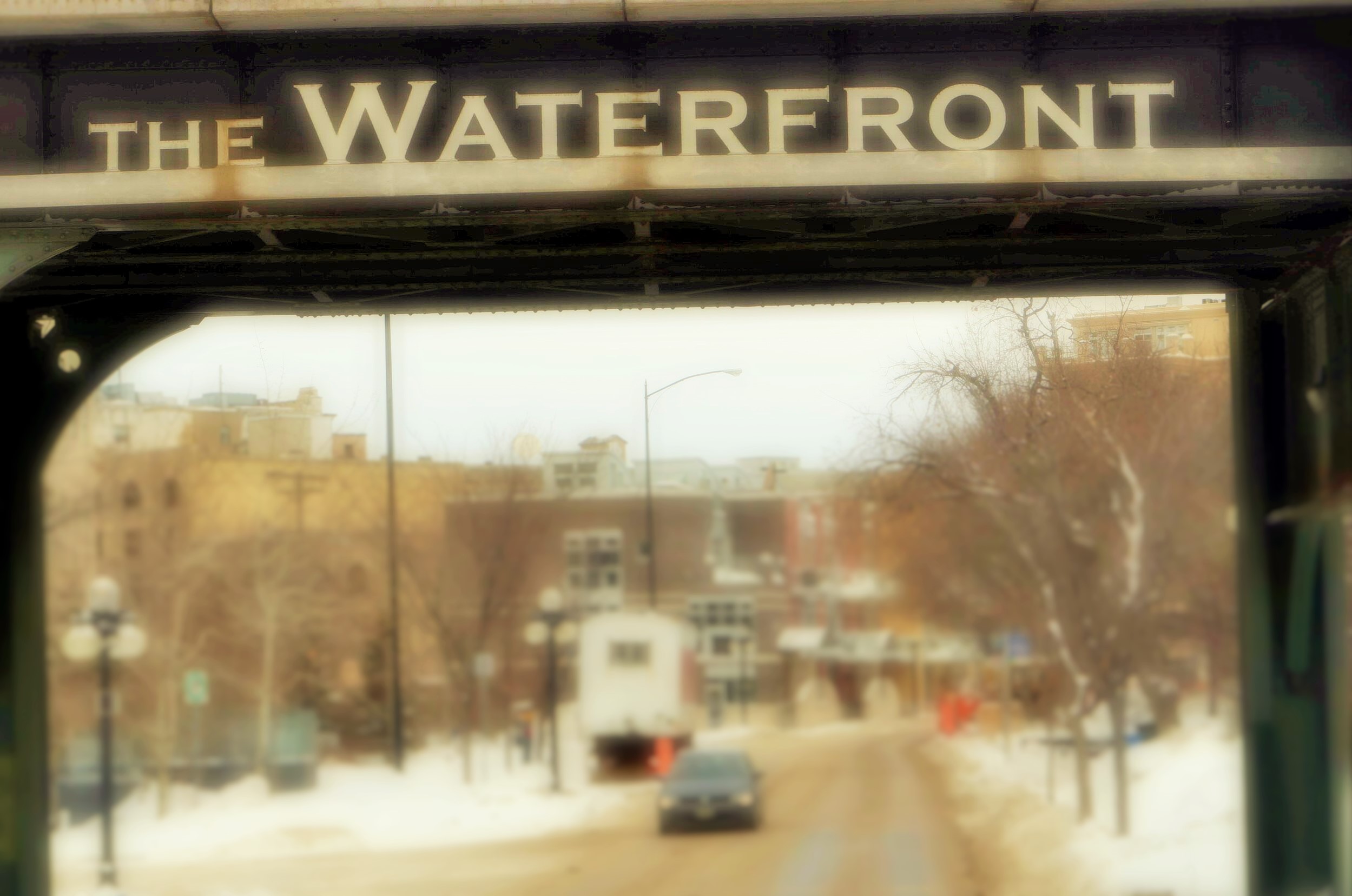
The Waterfront

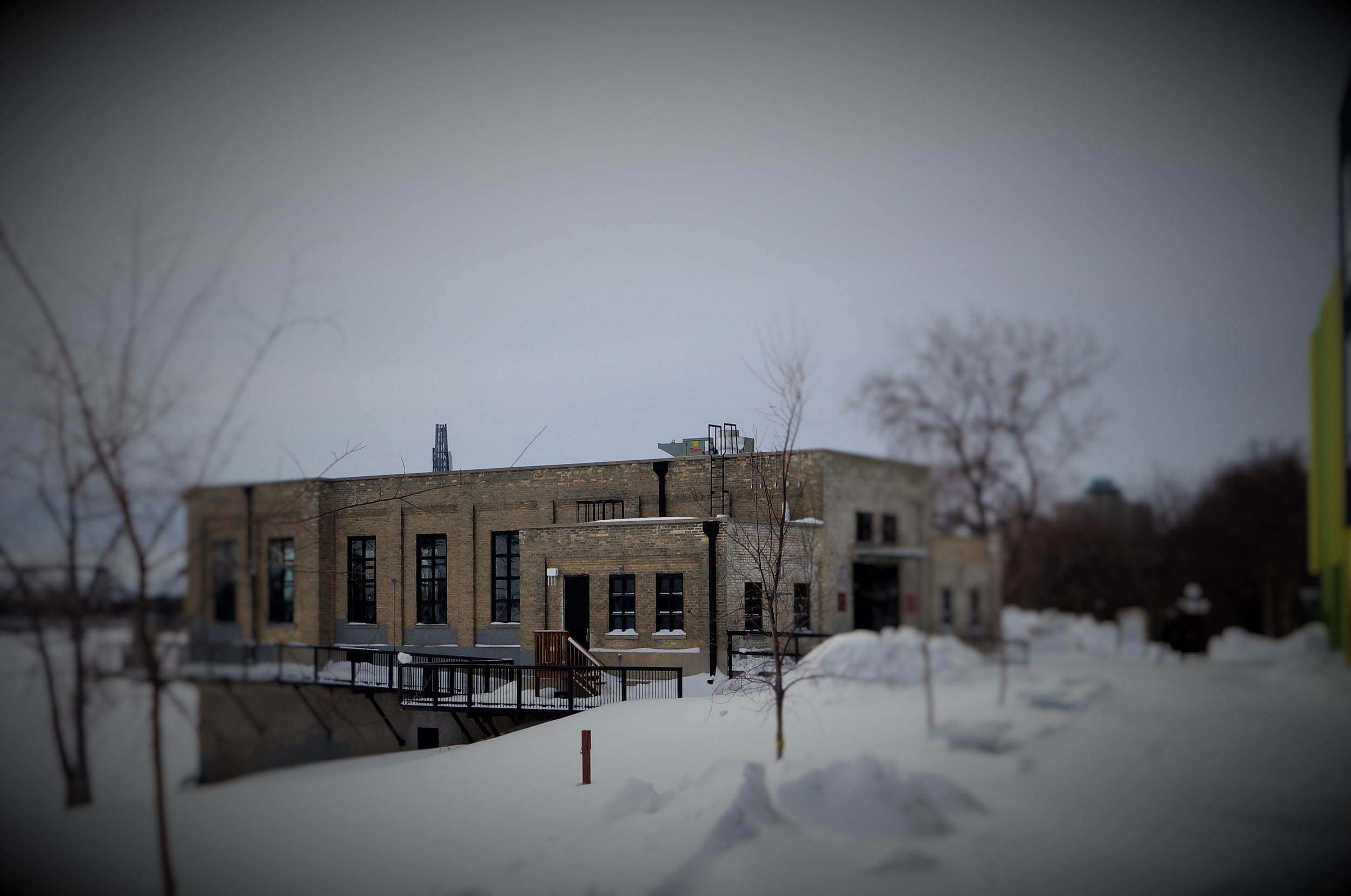
Every city should have that place where the hustle and bustle of our busy lives is left behind. We all need a place where carrying our cell phone, texting our friends or instagram our favorite pics just doesn’t see important. A new restaurant just opened up in Winnipeg called CIBO ‘Waterfront Cafe’. When I moved here it was the building I wanted to buy. It renovated an old building on the river and made it into a place all Winnipeggers will want to go to.

CIBO Waterfront Café As beautiful on the inside as it is on the outside. Amazing views of the River and Park. A place to relax and connect with your friends.

CIBO Waterfront Café
As beautiful on the inside as it is on the outside. Amazing views of the River and Park. A place to relax and connect with your friends.

Winter's Wonders

Winter’s Wonders

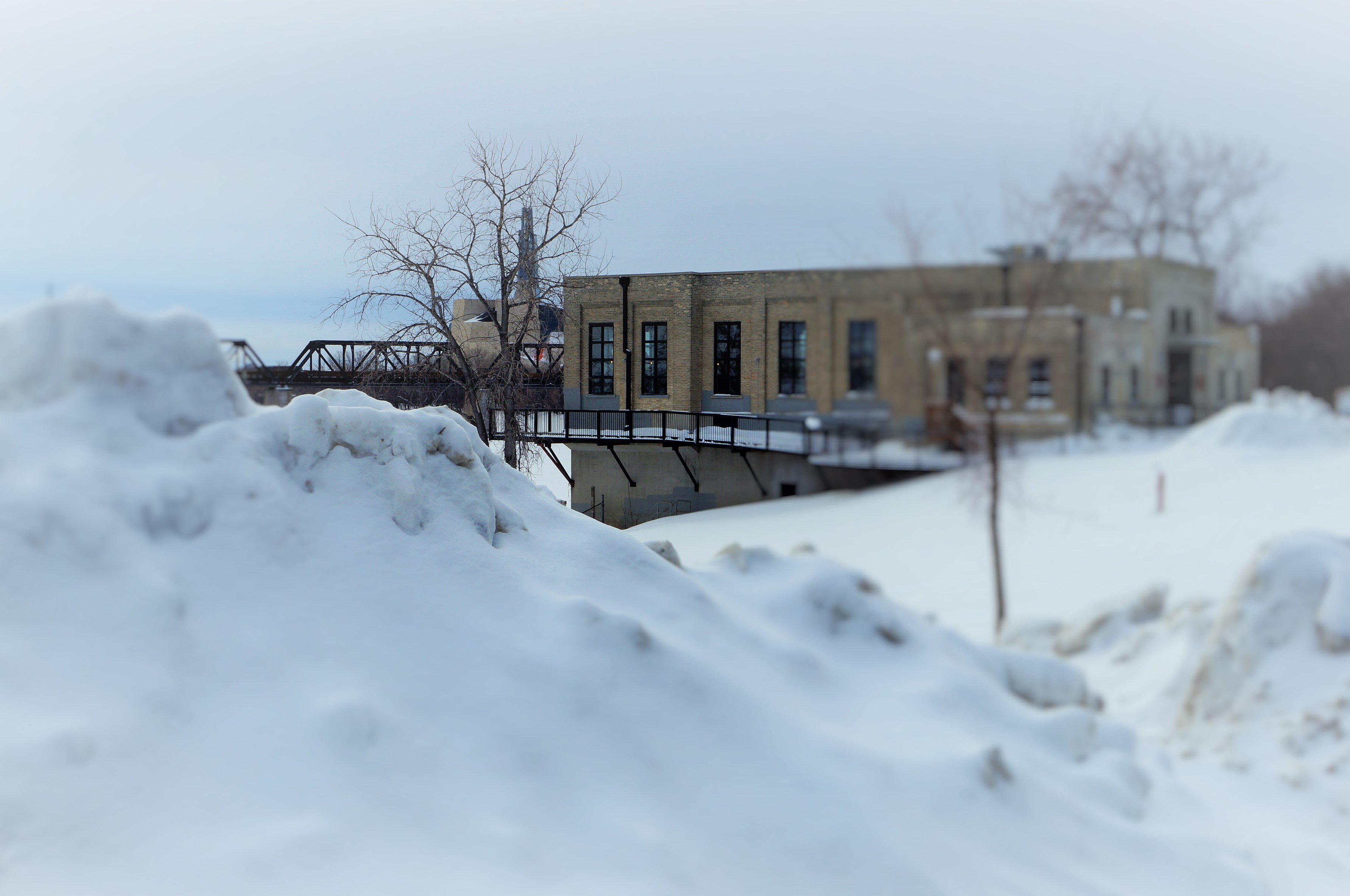
Communities like the Exchange are meant to be walked. It fills you with a sense of calm as you walk through the park on a quiet winter day. You look for a bench to take in the sun and the views only to find it has become a resting place for the snow.

No Place to Sit

No Place to Sit

Walking amongst our ancestors. Taking a moment to remember and reflect those that have come before and those that will come after.

Walking amongst our ancestors. Taking a moment to remember and reflect those that have come before and those that will come after.

The Red River was the gateway to Winnipeg. The river flows to The Forks the coming together of the Red and Assiniboine Rivers, the coming together of the past, present and future and more importantly a place to value and connect with people.

The Red River and trains a part of our hisory

The Red River and trains a part of our history

Winter's magic turns the Red into snow-covered white powder

Winter’s magic turns the Red into snow covered white powder

Skyscrapers of Portage and Main. Pick-up your cell phone, text your neighbour as the skyscrapers take us from the past to the present. From the Exchange where it is about community, people and culture to the downtown which is about business and finance.

Skyscrapers of Portage and Main. Pick-up your cell phone, text your neighbour as the skyscrapers take us from the past to the present. From the Exchange where it is about community, people and culture to the downtown which is about business and finance.

‘The Waterfront’ it is a place to relax and chat with your neighbour. It is a place where we have a moment to breathe and take in nature’s beauty and the architectural designs of the early 1900s. In our own fast paced lives we all need to find a place we can go to that allows the mind to be free and dream of possibilities. A place to take us back to where conversations as you laughed with your friends over a coffee or glass of wine in a little café. It is the dream of ‘The Waterfront’. It is what a neighbourhood is meant to be. Unique and something everyone from residents to visitors for whatever reason can call home.


Posted in My Writings, Travel?Photography | Tagged , , , , , , , | Leave a comment